For many fashion brands, Instagram is no longer just a ‘gimmick’ used during fashion weeks to create a buzz, but a serious part of their social strategy.
London Fashion Week is officially kicking off today (18 February), which can only mean one thing – fashion brands are working overtime. Besides putting the final touches on runway frocks, these days social media campaigns are equally as important. After all, a well-landed social campaign can see any fashion brand hit headlines, create a buzz as well as result in coveted consumer engagement.
This year, Instagram seems to be the fashion world’s platform of choice. Figures by digital marketing agency Greenlight show that there have been 5,602 Instagram posts using #LFW2016 in the month leading up to London Fashion Week 2016, compared with 1,178 Twitter mentions over the same timeframe. In sharp contrast, last year saw more than 6,000 twitter mentions using #LFW2015.
Instagram already proved its popularity among fashion brands during New York Fashion Week earlier this month. For example, Tommy Hilfiger had a rather ominous sounding ‘Instagram pit’ where it placed numerous ‘influencers’ in a special photo pit, separate from the one designated for professional photographers.
In the UK, Topshop will be employing fashion photographer Nick Knight to capture its fashion show through a series of images to be released in real-time through the retailer’s Instagram account.
A spokeswoman for Topshop told Marketing Week that the campaign is designed to “let consumers into the more intimate part of the show experience, that usually remain under wraps”. Customers will also be able to shop looks worn by VIPs seated on the front row at the Oxford Circus store from Monday 22 February.
The rising popularity of Instagram
Since its inception six years ago, Instagram seems to have been steadily developed and lovingly adopted by fashion brands. But when it first started off, it was mainly seen as a “gimmick”.
“Like with all social platforms, Instagram was a bit of a gimmick to start off with. Many fashion brands saw it as just another platform they’d have to invest in and were unsure if it could be bigger than Twitter. But fashion brands quickly clocked that Instagram could be a hugely beneficial tool for them,” explains Robin Clementson, head of brand communications at fashion agency I am Beyond.
The visual nature of the platform means that brands aren’t just able to show off their products – they can also sell a lifestyle. It also stills consumers’ fear of missing out.
“We live in a fast-paced world where we want to see things immediately. There are people scrolling through Instagram 24/7. Brands using Instagram for their shows gives users a backstage feel, while also giving the designer the opportunity to showcase their collections on a global scale,” says Alice Parfrement, deputy editor at Fashion Monitor.
In many ways Instagram does the job that fashion magazines used to do, adds Andrew Hall, retail consultant at Verdict Retail.
“If you’re streaming live videos or taking pictures from the catwalk, that’s fulfilling the same function that fashion magazines used to. It’s bringing that exclusivity to a wider mass-market audience, which is something users really appreciate,” he says.
Embracing Instagram the right way
When it comes to implementing Instagram into a brand’s social strategy, relatively young fashion brands seemed to have picked it up quickly.
“Instagram has worked incredibly well for younger retailers that want to communicate their brand values to a female audience. They tend to post a mixture of product images and memes of particular lifestyle elements like pizza or coffee, which on any other platform could come across as patronising,” Hall comments.
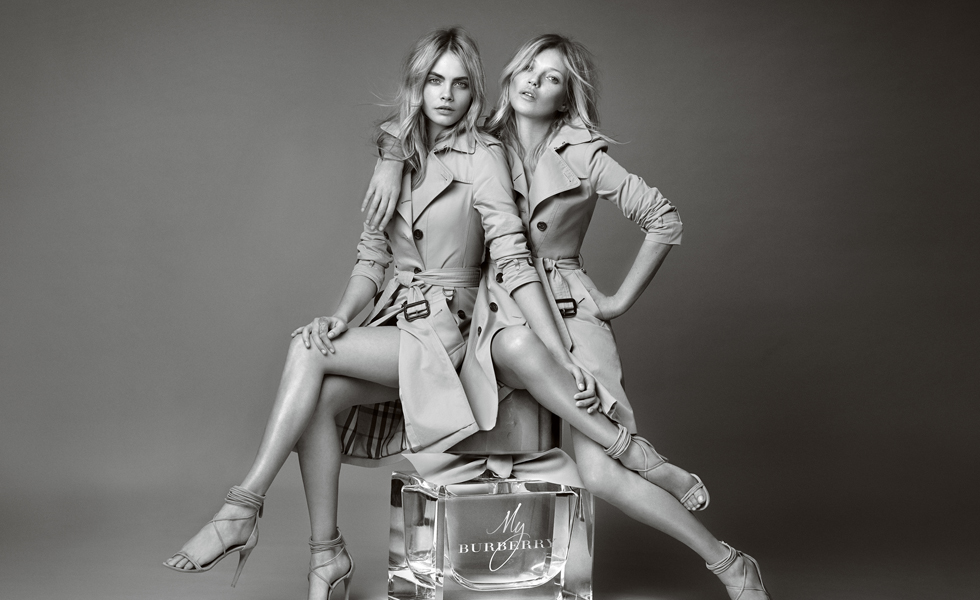
High-end fashion brands have also fully embraced the platform. Burberry, which currently boasts more than six million Instagram followers, frequently uses the platform to promote its fashion shows and build anticipation. For its last campaign it asked David Beckham’s son Brooklyn to be the photographer. He published the shots live on the platform.
“Burberry’s social strategy on Instagram is excellent – besides using catwalk images to promote its events, it has even gone as far as changing its calendar.”
“Instead of having to wait six months for the latest collection, Instagram means Burberry’s garments will be immediately available after a show.”
Alice Parfrement, deputy editor, Fashion Monitor
“They said it wasn’t working for their customers, which goes hand in hand with the immediacy of social. Why showcase your clothes on Instagram when consumers can’t access the clothes for however many months?”
The future of fashion
While Instagram might seem like an attractive tool, brands shouldn’t forget the basics when it to comes drawing up their social strategy.
“While brands need to look towards the future and embrace news to share their collections, it needs to be done in a way that works for them. One size definitely doesn’t fit all, what might work for one fashion brand might not work for others. Brands need to consider the different platforms carefully,” adds Fashion Monitor’s Parfrement.
Regardless, Clementson believes that Instagram will become a more crucial part of fashion brands’ strategies going forward.
He explains: “The immediate hit it has on the consumer is becoming more important. Campaigns are going to shift towards social platforms even more, where brands will run their campaigns solely on platforms like Instagram – something that Calvin Klein did for its most recent campaign with Justin Bieber.”
However, the sustained popularity of platforms like Instagram will also depend on the social brands themselves.
Clementson concludes: “It comes down to usability and what brands can do with it. Whether it’s streaming videos or enhancing its buying function, as social media becomes more effective due to the different functionalities it provides it becomes part of brands’ long-term strategic plans.”
Source: MarketringWeek